
Call: 08045476551
 Send Inquiry
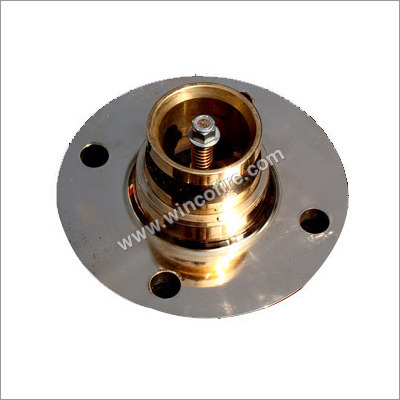
Owing to rich industry experience, we have been engaged in manufacturing, exporting and supplying supreme quality Fire Brigade Inlet One Way Inlet Breaching. Manufactured as per the variegated demands of our valued patrons, our offered inlet breaching valve is highly appreciated in the market. We also make sure to use the best quality raw material such as cast iron, stainless steel and various other material to manufacture these products. Owing to our advanced delivery mechanism and highly prompt transportation facility, we have been able to deliver the ordered products to the clients within the predefined time frame. Fire Brigade Inlet One Way Inlet Breaching offered by us are reckoned for the following quality attributes:
Sturdy construction
Accurate dimensions
Fine inner threading
Optimum pressure outlet
WVPL - 504
| Size | 63mm |
| Reference Standard | - |
| M.O.C | Gun Metal |
| Inlet | One Male Instantaneous Inlet of 63 mm With Built in N.R.V |
| Outlet | Flanged |
| M.O.C For NRV | GM TO IS 318 LTB-II |
| Approval | - |

Price:
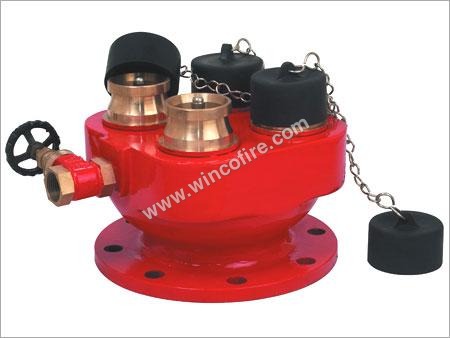
Diameter : 100 mm (inlet female), 150 mm (main outlet male)
Installation Type : Wall/floor mounted
Pressure : 14 kgf/cm test pressure
Coating Type : Epoxy/polyester powder coated
Fire Class : Class A, B, C
Application : Fire fighting system, hydrant inlets for water supply
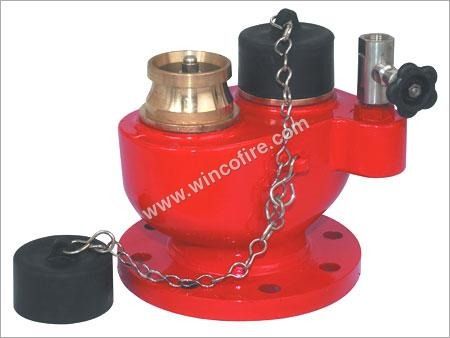
Diameter : 2.5 inches (BS inlet connection)
Installation Type : Wall mounted
Pressure : Standard working pressure: 10 bar; Test pressure: up to 20 bar
Coating Type : Red epoxy/polyurethane painted for corrosion resistance
Fire Class : Suitable for Class A and Class B fires
Application : Used for firefighting systems, specifically to act as an inlet for fire brigade hoses to supply water into the buildings fire hydrant system.
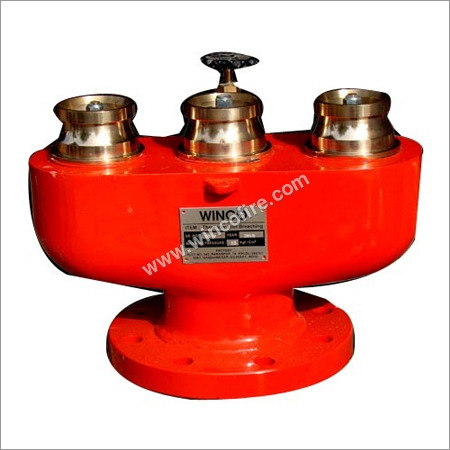
Diameter : Inlet diameter 100 mm (4 inch), Outlets 63 mm (2.5 inch) male coupling
Installation Type : Surface mounted on building exterior or hydrant point
Pressure : Tested up to 21 kg/cm (300 psi)
Coating Type : Epoxy powder coated/Red paint finish
Fire Class : Suitable for fire class A, B & C
Application : Fire fighting system, used for connecting fire hoses to water supply during emergencies
GST : 24AAACW1932A1ZZ


 Send Inquiry

 Send Inquiry